
What makes smoky, charred barbecue taste so good? The chemistry of cooking over an open flame | Food & Cooking
[ad_1]
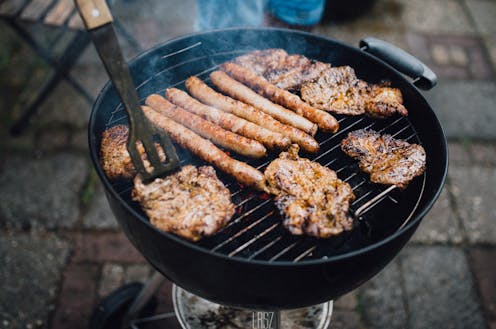 Cooking food over an open flame produces unique flavors thanks to some interesting chemistry. Lars Szatmari / EyeEm via Getty Images
The mere thought of barbecue’s smoky scents and intoxicating flavors is enough to get most mouths watering. Summer is here, and that means it is barbecue season for many people in the U.S.
I am a chemist who studies compounds found in nature, and I am also a lover of food — including barbecue. Cooking on a grill may seem simple, but there is a lot of chemistry that sets barbecue apart from other cooking methods and results in such a delicious experience.
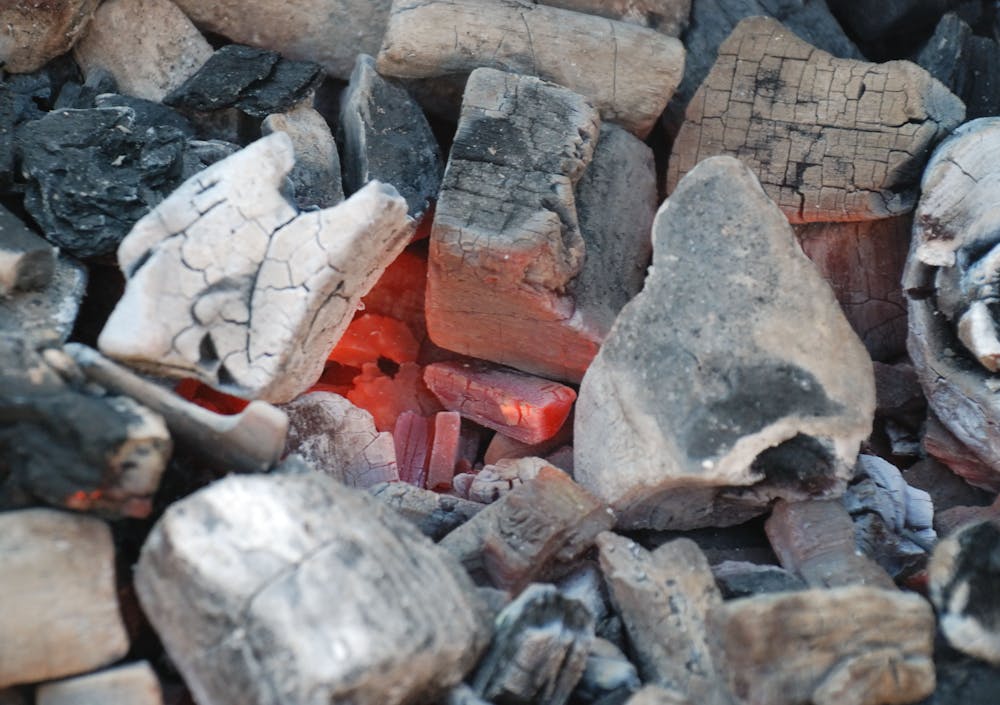 Cooking over an open flame — whether from gas, wood or charcoal — allows you to use both radiant and conductive heat to cook food. Romary/Wikimedia Commons, CC BY-SA
People are also reading…
Cooking with fire
First, it is important to define barbecue because the term can mean different things in different cultures or geographic locations. At its most basic, barbecue is the cooking of food over an open flame. What sets barbecue apart from other cooking methods is how heat reaches the food.
On a barbecue, the hot grill grates heat the food via direct contact through a process known as conduction. The food also warms and cooks by absorbing radiation directly from the flames below. The mix of heating methods allows you to sear the parts of the food touching the grill while simultaneously cooking the parts that aren’t touching the griddle — like the sides and top — through radiating heat. The resulting range of temperatures creates a complex mixture of flavors and aromas. When cooking on a stovetop, there is much less radiation and most of the cooking is done where the food is in direct contact with the pan.
When barbecuing, you can either put the food directly above the flames — what is called direct heat — or farther away on indirect heat. The direct cooking method subjects the food to very high temperatures, as the grilling surface can be anywhere from 500 to 700 degrees Fahrenheit (260 to 371 Celsius). The indirect cooking method places the heat source to the side of the food or far below, exposing the food to temperatures around 200 to 300 F (93 to 149 C).
Cooking is the process of using high temperatures to drive chemical reactions that change food at a molecular level. When you cook meat at higher temperatures — like over direct heat on a barbecue — the first thing to happen is that water near the meat’s surface boils off. Once the surface is dry, the heat causes the proteins and sugars on the outside of the meat to undergo a reaction called the Maillard Reaction. This reaction produces a complex mixture of molecules that make food taste more savory or “meaty” and adds depth to scents and flavors. The reaction and the flavors it produces are influenced by many variables, including temperature and acidity as well as the ingredients within any sauces, rubs or marinades.
A similar process occurs with vegetables. Barbecuing allows the water to evaporate or drip down without getting trapped by a pan. This keeps the vegetables from becoming soggy and promotes caramelization reactions. These reactions turn carbohydrates and sugars into smaller compounds like maltol — which has a toasty flavor — and furan — which tastes nutty, meaty and caramel-like.
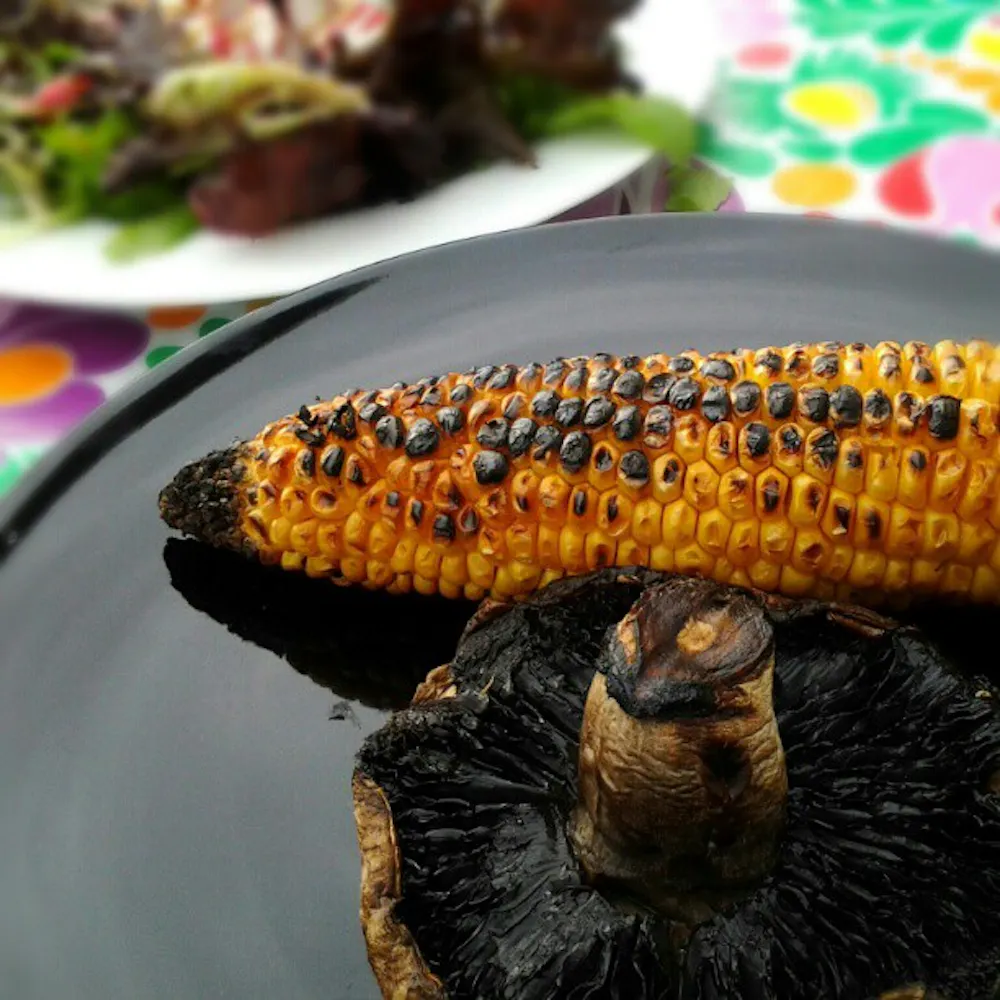 It’s much easier to control the level of charring on food when cooking on a barbecue. Lablascovegmenu/Wikimedia Commons, CC BY
Char and crisp
Another hallmark of barbecued food is the unique char it develops. When foods are exposed to heat for prolonged periods of time, non-carbon atoms in the food break down, leaving behind the crispy, black carbon. This is the process of burning or charring.
Almost no one likes a completely burnt piece of meat, but little splashes of crispy char flavor can add such depth to foods. Cooking over the direct heat of a barbecue allows you to add just the amount of char to match your taste.
Unfortunately for those who like a little extra crisp, some of the chemicals in charred meat – molecules called heterocyclic amines and polycyclic aromatic hydrocarbons – are known carcinogens. Though the dangers are far lower than smoking cigarettes, for example, limiting the amount of charring on meats can help reduce the risk of developing cancer.
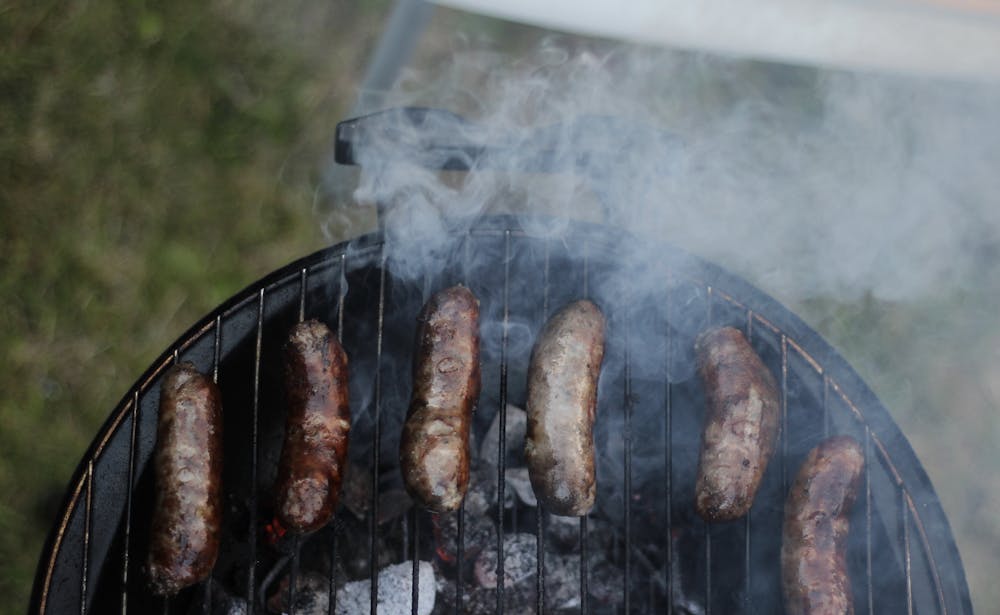 Smoke gives barbecued foods much of their unique flavor. Harry Knight/Unsplash Photos
Smokey flavors
The final quintessential barbecue flavor is smokiness. Cooking over wood or charcoal involves a lot of smoke. Even on a gas grill, melting fats will drip onto the heat source and produce smoke. As smoke swirls around the barbecue, the food will absorb its flavors.
Smoke is made up of gases, water vapor and small solid particles from the fuel. Burning wood breaks down molecules called lignans, and these turn into smaller organic molecules – including syringol and guaiacol – that are mainly responsible for the quintessential smokey flavor.
When smoke comes in contact with food, the components of the smoke can get absorbed. Food is particularly good at taking on smokey flavors because it contains both fats and water. Each binds to different types of molecules. In chemistry terms, fats are non-polar – meaning they have a weak electric charge – and easily grab other non-polar molecules. Water is polar – meaning it has areas of positive charge and an area of negative charge similar to a magnet – and is good at binding to other polar molecules. Some foods are better at absorbing smokey flavors than others, depending on their composition. One way to use chemistry to make food more smokey is to periodically spray it with water during the barbecuing process.
Smoke can contain hundreds of possible carcinogens depending on what you are burning. Only a small amount of research has been done on whether grilled foods absorb enough smoke to pose a significant risk to health. But researchers know that inhaling smoke is strongly correlated with cancer.
While the idea of barbecuing your favorite dish may evoke the feeling of simple pleasures, the science behind it is quite complex. The next time you enjoy the smoky goodness of food from a grill, you will hopefully appreciate the diverse nature of the compounds and reactions that helped produce it.
Kristine Nolin does not work for, consult, own shares in or receive funding from any company or organization that would benefit from this article, and has disclosed no relevant affiliations beyond their academic appointment.
This article is republished from The Conversation under a Creative Commons license.

These steak tacos are great for a small Memorial Day gathering. If you’d like a bigger meal, make a pot of refried beans and serve them on the side. To drink? Your favorite chilled Mexican beer.
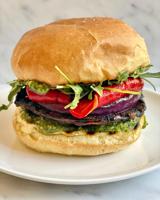
Portobello mushroom caps are seriously satisfying and packed with flavor, and the mix of colors and textures will keep you coming back for more. This vegan sandwich checks all the boxes — and then some!

Fire up the grills; Memorial Day weekend fast approaches. We’re gathering outside to sear some steaks and toast summer’s arrival.
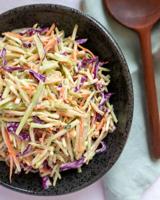
Consider broccoli slaw as an alternative to coleslaw and enjoy it with all the same foods: grilled meat, fried chicken, and sandwiches.

Coat chicken with spices common to Cajun cooking, like dried thyme and cayenne pepper. Then, instead of using the traditional method of searing in a cast-iron pan, we char it on the grill.
[ad_2]
Source link


