The Secret Sauce to Thriving as a Food Blogger

Food blogging has become one of the most popular creative outlets on the internet, but standing out in a sea of recipes and culinary ideas requires more than just a love for food. To truly thrive, you need a strategy that combines passion, consistency, and innovation. Let’s break down the secret sauce for food blogging and uncover what it takes to not only survive but thrive in this deliciously competitive space.
1. Authenticity: Your Unique Voice
One of the most powerful tools a food blogger can possess is authenticity. Readers can spot a copycat from a mile away, and what keeps them coming back to your blog is you. Your voice, your style, and your personal touch are the key ingredients that differentiate your blog from others. Sharing personal stories, cooking mishaps, or even how a particular recipe connects to a memory will make your readers feel like they’re cooking with a friend. Authenticity is the key to food blogging success.
Don’t be afraid to infuse your personality into every post. If you’re quirky, be quirky. If you’re serious about technique, let that shine. The more genuine you are, the more you’ll create a loyal community who values what you bring to the table—literally and figuratively.
2. Consistency: Building Trust with Your Audience
The blogging world rewards consistency. Posting regularly is essential to staying relevant in the eyes of your readers and search engines alike. Whether it’s a new recipe, a food trend, or cooking tips, a predictable publishing schedule creates anticipation and trust with your audience. In food blogging, trust is everything. Readers want to know that when they visit your blog, they’ll find fresh, reliable content.
Creating a content calendar can be the difference between hobby blogging and professional blogging. By planning ahead and sticking to a schedule, you’re demonstrating dedication to your craft and commitment to your readers—two core ingredients to thriving as a food blogger.
3. Visual Appeal: A Feast for the Eyes
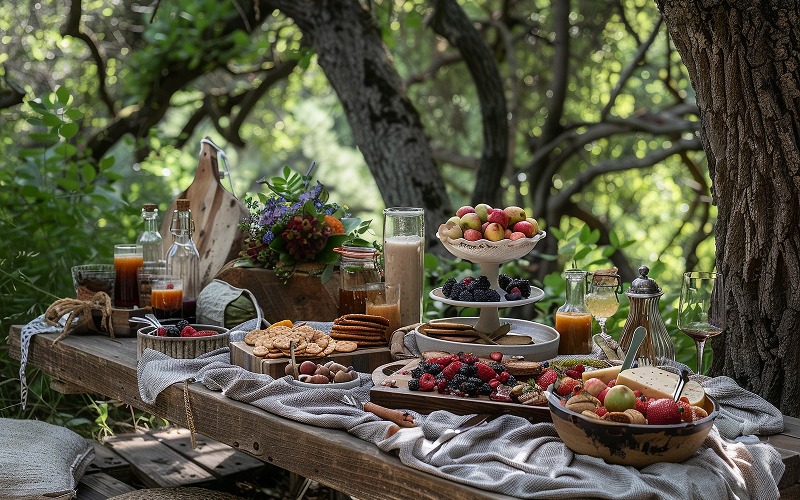
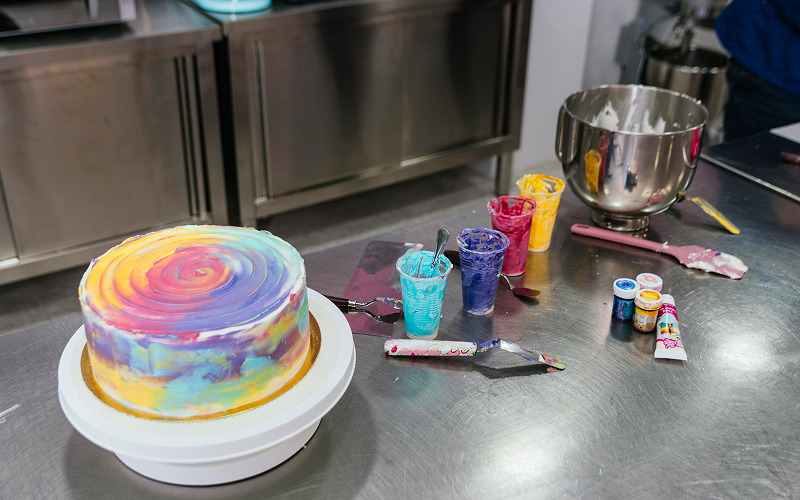
You can’t talk about food blogging without mentioning the visual aspect. Stunning, well-composed food photography can elevate a recipe from “just another dish” to “must-try masterpiece.” Even the most incredible recipes can fall flat without the proper presentation. Investing in high-quality photography (or improving your own skills) is one of the best successful food blogging tips out there.
Use natural lighting to make your dishes look their best, and experiment with different angles and props. Don’t be afraid to play with colors and textures, adding visual interest to your food photos. Eye-catching imagery is a powerful way to stop a scrolling reader in their tracks, giving them a reason to dive deeper into your content.
4. Mastering SEO: Get Found by the Right Audience
No matter how mouthwatering your content is, it won’t matter if no one can find it. That’s where search engine optimization (SEO) comes in. SEO is the secret sauce for food blogging when it comes to increasing your visibility online. Use relevant keywords naturally throughout your blog posts to ensure that your content ranks high in search results.
Understanding what your target audience is searching for can help guide your content. Do keyword research to figure out what questions or challenges your potential readers have. Incorporate these findings into your blog, answering their questions with helpful content that builds authority and drives traffic.
5. Social Media Savvy: Amplify Your Reach
Social media is a crucial tool in your food blogging toolkit. It’s where many food lovers spend their time browsing for new recipes, discovering trends, and connecting with bloggers like you. Platforms like Instagram, Pinterest, and TikTok are particularly impactful for food bloggers, as they allow you to share visually enticing content and interact directly with your audience.
Crafting a strong social media presence is essential for thriving as a food blogger. Post regularly, engage with your followers, and use hashtags strategically to reach new people. Social media also provides an opportunity for real-time feedback, allowing you to see which types of content resonate the most with your audience.
6. Collaboration and Networking: Expanding Your Horizons
Building relationships within the food blogging community can open doors to new opportunities. Collaborating with other bloggers, brands, or influencers can introduce you to new audiences and bring fresh perspectives to your content. Whether it’s hosting a giveaway, doing a guest post swap, or partnering with a brand for a sponsored recipe, these collaborations can be mutually beneficial.
Networking isn’t just about increasing your visibility—it’s also about learning. Surrounding yourself with others in your niche provides valuable insight and inspiration. Food blogging is always evolving, and staying connected ensures that you’re always in the know about the latest trends and techniques.
7. Passion: The Heart of Your Blog
At the core of every thriving food blog is passion. When you’re passionate about what you’re creating, it shines through in your writing, your photography, and your recipes. Passion drives consistency, innovation, and authenticity. Readers can feel when a blogger is genuinely excited about a dish, and that enthusiasm is contagious.
Of all the successful food blogging tips, nurturing your passion may be the most important. Without passion, blogging can become a chore. But with it, you’ll inspire not only yourself but your readers to experiment, cook, and celebrate food in their own kitchens.
8. Engage with Your Readers: Building a Community
A food blog is more than just a collection of recipes—it’s a community. Engaging with your readers is essential for building that sense of community and fostering loyalty. Respond to comments, answer questions, and invite your audience to share their experiences. Create polls or ask for feedback on future content to show your readers that you value their opinions.
Engagement doesn’t just happen in the comments section. Encourage your audience to tag you on social media when they recreate your recipes, and share user-generated content to highlight their efforts. Building these personal connections with your readers is a fundamental part of thriving as a food blogger.
Conclusion
The key to food blogging success isn’t a one-size-fits-all formula, but a combination of elements that come together to create something truly special. Authenticity, consistency, SEO, and social media savvy all play their part, but at the heart of it is passion and the genuine connection you build with your audience. Stay creative, stay curious, and continue to push the boundaries of what you can offer your readers. With these strategies, you’ll be well on your way to thriving as a food blogger, creating content that satisfies and inspires.