The Flavor Explorer: A Food Blogger’s Delicious Journey

# The Flavor Explorer: A Food Blogger’s Delicious Journey
## Discovering the World Through Food
Food has always been more than just sustenance—it’s a passport to cultures, a celebration of traditions, and a canvas for creativity. As a food blogger, I’ve embarked on a journey that goes far beyond tasting dishes; it’s about understanding the stories behind them, the hands that craft them, and the emotions they evoke. Every meal is an adventure, and every recipe is a lesson in history, geography, and human connection. Whether it’s the smoky spices of a Moroccan tagine, the delicate umami of a Japanese ramen, or the hearty warmth of a Neapolitan pizza, each dish tells a story worth sharing.
This journey began with a simple curiosity—why do certain flavors transport me to a bustling street market in Bangkok or a quiet village in Tuscany? Over time, that curiosity evolved into a passion for exploration, turning every meal into an opportunity to learn, document, and inspire. Food blogging isn’t just about taking pretty pictures or writing recipes; it’s about translating the intangible magic of taste into words and images that invite others to experience the same joy. It’s a pursuit that demands patience, an open mind, and a willingness to step outside one’s comfort zone—because the most unforgettable flavors are often found where you least expect them.
## The Tools of the Trade: What Every Food Blogger Needs
Behind every great food blog lies a collection of essential tools that turn raw ingredients into compelling content. The right equipment can elevate a dish from ordinary to extraordinary, both in taste and presentation. A sharp chef’s knife is non-negotiable—it ensures clean cuts and precise preparation, while a reliable food processor saves time when chopping, blending, or kneading. For those who love baking, a kitchen scale is indispensable, as baking is a science where precision matters.
Beyond the basics, a food blogger’s toolkit often includes a high-quality camera or smartphone with a good lens to capture the vibrant colors and textures of food. Natural lighting is a game-changer, so many bloggers invest in portable LED lights or shoot near windows during the golden hours of sunrise and sunset. Editing software like Adobe Lightroom or free alternatives like VSCO and Snapseed helps refine photos to make dishes look as delicious as they taste. And let’s not forget the importance of good storage containers—keeping ingredients fresh and organized is key to maintaining consistency in recipes and reducing waste.
## From Home Kitchen to Global Flavors: My Culinary Adventures
My journey as a food blogger has taken me from the comfort of my home kitchen to kitchens around the world, each stop offering a new lesson in flavor and technique. One of my earliest adventures was recreating my grandmother’s recipes, dishes she had perfected over decades of cooking in her small village. Those recipes became the foundation of my blog, teaching me the value of tradition and the importance of preserving culinary heritage. As my confidence grew, I began experimenting with fusion dishes, blending flavors from different cuisines to create something entirely new.
Travel has been a major catalyst for my culinary exploration. In Mexico, I learned to make fresh corn tortillas from scratch, watching as a local *tortillera* shaped each one by hand. In Italy, I spent a day with a nonna in her kitchen, where she showed me the secrets to a perfect ragù that simmers for hours. In Thailand, I stood in a floating market at dawn, picking out ingredients for a spicy *tom yum* soup while chatting with vendors who shared their family recipes. These experiences reinforced that food is deeply personal—every dish carries the soul of the person who made it, and every meal is an invitation into their world.
## The Art of Recipe Writing: Making Complex Flavors Accessible
One of the most rewarding parts of food blogging is translating intricate recipes into clear, approachable steps that home cooks can follow. A great recipe is like a good story—it has a beginning, middle, and end, with each step building toward a satisfying conclusion. The key is balancing detail with simplicity. While professional chefs might understand terms like “confit” or “deglaçage,” beginners need explanations, tips, and troubleshooting advice to avoid frustration.
I’ve learned that the best recipes include not just ingredients and instructions, but also the “why” behind each step. For example, why does a roux need to cook until it’s golden? Why should you let dough rest before shaping it? Sharing these insights helps demystify cooking and empowers readers to adapt techniques to their own kitchens. Additionally, highlighting substitutions—whether for dietary restrictions, ingredient availability, or personal preference—makes recipes more inclusive. A vegan baker might not have butter, but they can use coconut oil or margarine with confidence if they know how it will affect texture and flavor.
## Food Photography: Capturing the Essence of a Dish
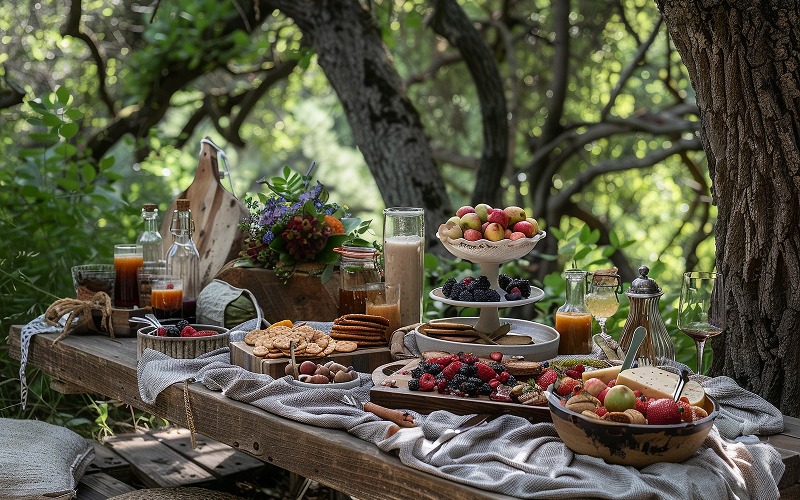
A well-styled food photo can make a reader’s mouth water before they even take a bite. But great food photography is about more than just aesthetics—it’s about capturing the soul of a dish. The best images tell a story: the steam rising from a bowl of hot soup, the golden crust of a freshly baked loaf breaking apart, the glistening glaze on a roasted vegetable. Lighting is the most critical element; natural light brings out the true colors of food, while harsh shadows can distort its appeal. I often shoot near a window, using a white foam board or a silver reflector to bounce light onto shadowed areas.
Composition plays a huge role in creating visually appealing photos. The rule of thirds helps balance elements, while leading lines draw the viewer’s eye to the focal point. Props should complement, not overpower—they should enhance the story, not distract from it. For example, a rustic wooden table might work for a hearty stew, while a minimalist white plate could highlight the delicate layers of a dessert. Post-processing is the final touch; adjusting brightness, contrast, and saturation can make a good photo great, but it’s important not to overdo it. The goal is to represent the dish authentically, even if it means embracing its imperfections.
## Building a Community: The Heart of Food Blogging
At its core, food blogging is about connection. It’s about sharing a passion for food and fostering a community of like-minded individuals who love to cook, bake, and explore new flavors. Social media platforms like Instagram, Pinterest, and TikTok have become invaluable tools for reaching food enthusiasts around the world. Engaging with followers through comments, direct messages, and even live cooking sessions builds trust and loyalty. Readers often become friends, sharing their own tips, adaptations, and even their kitchen failures with me.
Collaborations are another way to grow a community. Partnering with local chefs, food artisans, or fellow bloggers can introduce fresh perspectives and expand reach. For example, hosting a virtual cooking class with a baker from Paris or collaborating on a recipe e-book with a nutritionist can provide value to readers while fostering meaningful connections. Hosting giveaways, Q&A sessions, or themed recipe challenges also encourages interaction and keeps the community engaged. The most rewarding part of this journey has been seeing readers recreate my recipes in their own kitchens and share their experiences—whether it’s a success or a learning moment.
## Challenges and Rewards: The Realities of Food Blogging
While food blogging can be incredibly fulfilling, it’s not without its challenges. Consistency is key, yet maintaining a regular posting schedule can be demanding, especially when testing new recipes or traveling. Ingredient availability can also be a hurdle—what works in one region might not work in another, forcing creative substitutions. There’s also the pressure to stand out in a saturated market, where thousands of blogs and social media accounts compete for attention.
Yet, the rewards far outweigh the difficulties. The joy of seeing someone’s face light up after trying a dish you recommended is unparalleled. The knowledge that you’ve introduced someone to a new cuisine or technique is empowering. And the friendships formed along the way—with readers, fellow bloggers, and even strangers who share a love for food—are priceless. Every late night spent editing photos, every failed recipe tossed in the trash, and every moment of self-doubt is worth it when you realize you’re contributing something meaningful to the world of food.
## The Future of Food Exploration: What’s Next?
The world of food blogging is constantly evolving, and the future is brimming with possibilities. Virtual reality (VR) and augmented reality (AR) could revolutionize how we experience recipes, allowing users to “step into” a chef’s kitchen or follow a dish from farm to table. Sustainable cooking is another growing trend, with more bloggers focusing on plant-based meals, zero-waste techniques, and ethical sourcing. Personalized cooking, powered by AI, might soon tailor recipes to individual dietary needs, budgets, or local ingredient availability.
For me, the journey continues with a renewed focus on storytelling. Food is deeply intertwined with culture, history, and emotion, and I want to delve deeper into these connections. Whether it’s exploring the culinary traditions of indigenous communities, documenting the art of fermentation, or highlighting the unsung heroes behind local food systems, there’s always more to discover. The most exciting part? Sharing those discoveries with a global audience eager to learn, taste, and grow alongside me.
## Final Thoughts: Why Food Blogging Matters
Food blogging is more than just a hobby or a career—it’s a celebration of life’s simplest yet most profound joys. It’s about the laughter shared over a messy kitchen experiment, the comfort of a familiar dish on a tough day, and the adventure of tasting something new. In a world that often feels divided, food has the power to unite. It bridges gaps between cultures, generations, and backgrounds, reminding us that we all, at our core, share a universal need and love for nourishment.
Whether you’re a seasoned chef, a home cook, or someone who simply enjoys a good meal, food blogging invites you to slow down, savor the moment, and find beauty in the details. It’s a reminder that the best flavors aren’t just found in restaurants or cookbooks—they’re made in kitchens big and small, by hands that pour love, patience, and a little bit of magic into every dish. So grab your apron, fire up the stove, and let’s continue this delicious journey together.