
How to Pair Italian Food with the Perfect Wine
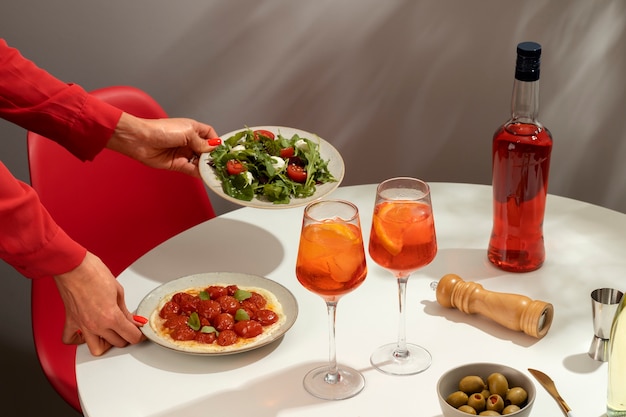
Italian cuisine, renowned for its rich flavors and regional diversity, becomes even more enjoyable when paired with the right wine. From pasta dishes to seafood and indulgent desserts, the ideal wine can elevate the dining experience and enhance the essence of every bite. The beauty of pairing wine with Italian food lies in balancing flavors and textures, ensuring that both the dish and the wine shine.
In this guide, we’ll explore how to pair Italian food with the perfect wine, offering simple tips that will make any meal more memorable. Whether you’re hosting a dinner party or enjoying a quiet meal at home, these suggestions will help you master the art of Italian wine matching and bring a new level of sophistication to your culinary adventures.
1. The Basics of Italian Wine Pairing
When it comes to wine and Italian cuisine, the general rule is to match the weight and intensity of the food with the wine. Lighter dishes pair well with lighter wines, while heavier, richer meals require a more robust wine to stand up to the bold flavors.
For instance, delicate dishes like seafood or vegetable-based pasta are complemented by crisp white wines like Pinot Grigio or Verdicchio. On the other hand, heartier meals, such as meat-based pasta or braised meats, call for fuller-bodied reds like Chianti or Barolo. The idea is to avoid overwhelming the food with the wine and vice versa.
2. Pasta and Wine: A Match Made in Heaven
Pasta, a staple of Italian cuisine, is incredibly versatile, and so are the wine pairings that go with it. The key to perfect wine pairings with pasta lies in the sauce. For tomato-based sauces, such as marinara or Bolognese, a medium-bodied red wine like Sangiovese or Chianti works beautifully. The acidity in these wines cuts through the richness of the sauce, creating a harmonious balance.
For creamy, cheesy sauces like Alfredo or Carbonara, a white wine with good acidity, such as Chardonnay or Pinot Bianco, provides the ideal counterbalance to the creaminess. If your pasta features a pesto or herb-based sauce, opt for a crisp, herbaceous white like Vermentino to complement the fresh, green notes.
3. Pizza and Wine: Classic Combos
Few things are as enjoyable as pizza paired with a glass of wine. Like pasta, the type of pizza will guide your choice of wine. For a classic Margherita pizza, a light red wine such as Barbera or a dry white like Gavi works wonderfully. The tomato sauce, mozzarella, and basil find their perfect partners in these wines’ bright acidity and fresh flavors.
For meatier pizzas, such as those topped with sausage or pepperoni, a more robust red like Nero d’Avola or Montepulciano d’Abruzzo will match the hearty toppings without overpowering them. For pizzas with more complex toppings, such as mushrooms or truffle oil, an earthy red like Nebbiolo makes an excellent choice.
4. Seafood and White Wine: A Perfect Pair
Seafood and white wine are a classic duo when it comes to Italian wine matching. The lightness and freshness of seafood dishes call for wines that are crisp and vibrant. For seafood pastas or dishes featuring shrimp, clams, or mussels, a zesty white wine like Verdicchio or Fiano works perfectly.
If you’re indulging in a rich seafood risotto, a fuller-bodied white such as Soave or a sparkling wine like Prosecco provides a refreshing contrast. The effervescence of sparkling wines also works well with fried seafood, helping to cleanse the palate between bites.
5. Red Meat and Bold Reds: A Classic Italian Affair
When it comes to red meat dishes, such as osso buco, bistecca alla fiorentina, or lamb ragù, you’ll want to reach for a full-bodied red wine that can stand up to the richness of the meat. Bold reds like Barolo, Brunello di Montalcino, or Amarone della Valpolicella are the ultimate partners for these decadent dishes.
These wines have the structure and tannins needed to enhance the flavors of the meat while cutting through its fattiness, leaving your palate feeling balanced and refreshed.
6. Cheese and Wine: The Italian Way
Cheese plays a prominent role in Italian cuisine, whether it’s part of a dish or served as an antipasto. Pairing the right wine with cheese can elevate both the wine and the cheese, bringing out new dimensions of flavor.
For soft cheeses like mozzarella or burrata, a light white wine such as Pinot Grigio or a sparkling wine like Franciacorta provides the perfect complement. Harder cheeses, such as Parmigiano-Reggiano or Pecorino, benefit from pairing with robust reds like Barolo or Sangiovese, as these wines’ bold flavors can stand up to the intensity of the cheese.
7. Desserts and Sweet Wines
No Italian meal is complete without a sweet ending, and dessert wines are the perfect way to cap off your meal. For rich, chocolate-based desserts, a sweet red wine like Vin Santo or Recioto della Valpolicella is a heavenly pairing, with the sweetness of the wine balancing the bitterness of the chocolate.
For lighter desserts like tiramisu or panna cotta, a Moscato d’Asti offers just the right amount of sweetness without overpowering the delicate flavors of the dish. This sparkling dessert wine’s fruity and floral notes add a delightful finish to any meal.
Conclusion
The art of pairing Italian food with wine is all about balance and harmony. By matching the flavors and textures of the dish with the characteristics of the wine, you can create a dining experience that’s elevated and unforgettable. Whether you’re savoring a simple pasta dish or indulging in a decadent meat course, the right wine will bring out the best in your meal.
With these tips for Italian wine matching, you’ll be well on your way to discovering the perfect wine and Italian cuisine combinations. Cheers to enjoying the timeless pleasures of Italian food and wine!


